Blog & News
Our Latest News & Articles
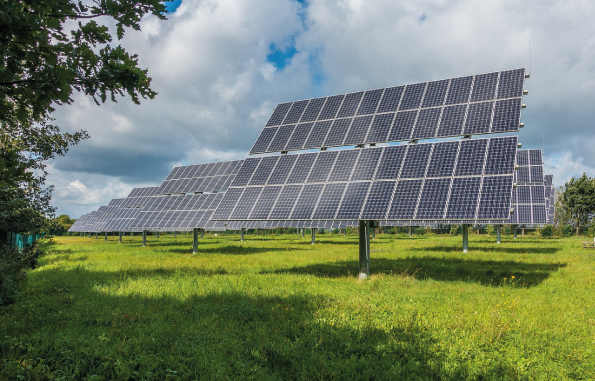
Clean energy is reshaping the global landscape with innovative technologies like solar, wind, and geothermal power. These advancements are driving a sustainable transition, reducing carbon footprints, and combating climate change. Governments and industries are investing in renewable energy infrastructure, making it more accessible and cost-effective. Clean energy is now a crucial component of a sustainable future.
Further innovations in energy storage and smart grid systems are optimizing renewable energy usage. These developments ensure reliability and efficiency, bridging the gap between supply and demand. As adoption grows, clean energy promises not only environmental benefits but also significant economic and social impacts. The future of energy is undeniably green and prosperous.
Read More
Access to clean water remains a significant global issue, particularly in underserved areas. Insufficient infrastructure often leads to water scarcity, affecting health and sanitation. Innovative solutions like decentralized water treatment systems and solar-powered pumps are bridging these gaps, improving access in remote regions. These advancements promote community well-being and sustainable development.
Investments in water accessibility technologies are critical for achieving long-term sustainability goals. Efficient systems ensure equitable distribution, reducing the burden on vulnerable populations. With collaboration between governments, NGOs, and private entities, water accessibility initiatives are creating transformative impacts, fostering healthier communities and empowering economic growth worldwide.
Read More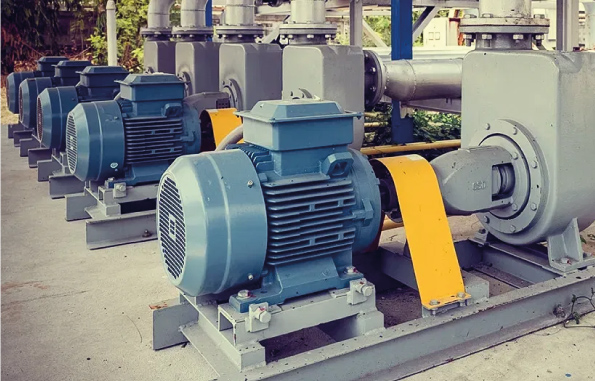
Pumping technologies are evolving rapidly, providing efficient solutions for water management. Modern systems like variable speed drives and high-efficiency pumps reduce energy consumption and operational costs. These innovations are crucial for agricultural irrigation, industrial applications, and urban water supply, ensuring sustainability and reliability.
IoT-enabled pumps and remote monitoring tools are revolutionizing resource management by offering real-time insights and control. These advancements enhance system performance and minimize downtime. As the demand for efficient water management grows, pumping technologies will continue to play a pivotal role in addressing global challenges.
Read More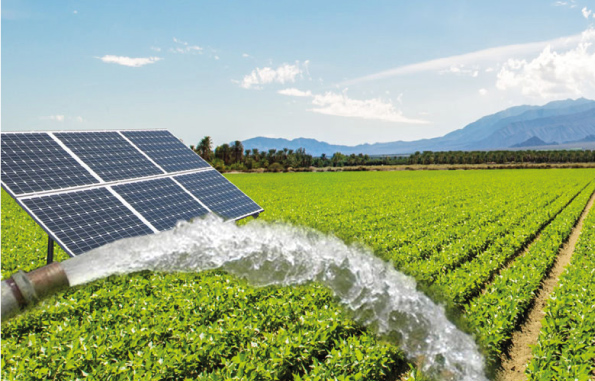
Solar pumping is transforming water management, particularly in remote and off-grid areas. By utilizing solar energy, these systems provide a sustainable and cost-effective solution for irrigation and potable water. They reduce dependency on fossil fuels, contributing to environmental conservation and energy independence.
With advancements in photovoltaic technology, solar pumping systems are becoming more efficient and affordable. These innovations empower communities, ensuring a steady water supply for agricultural and domestic use. Solar pumping represents a vital step toward sustainable water management and renewable energy integration.
Read More